Nithe Station was one of the operational stations on the infamous “Death Railway.” It lay in what is now the Sangkhlaburi area, near the route toward present day Myanmar.
What makes Nithe Station especially interesting today is that it disappeared underwater after the creation of the Vajiralongkorn Dam reservoir in the 1980s. In 2026, falling reservoir levels exposed parts of the station again for the first time in over 40 years.
Why Nithe Station mattered. The Japanese military built the Burma Railway between 1942 and 1943 to supply troops fighting in Burma after Allied naval pressure made sea transport dangerous. The line stretched about 415 km from Thailand into Burma using forced labour from Allied POWs and Asian romusha labourers.
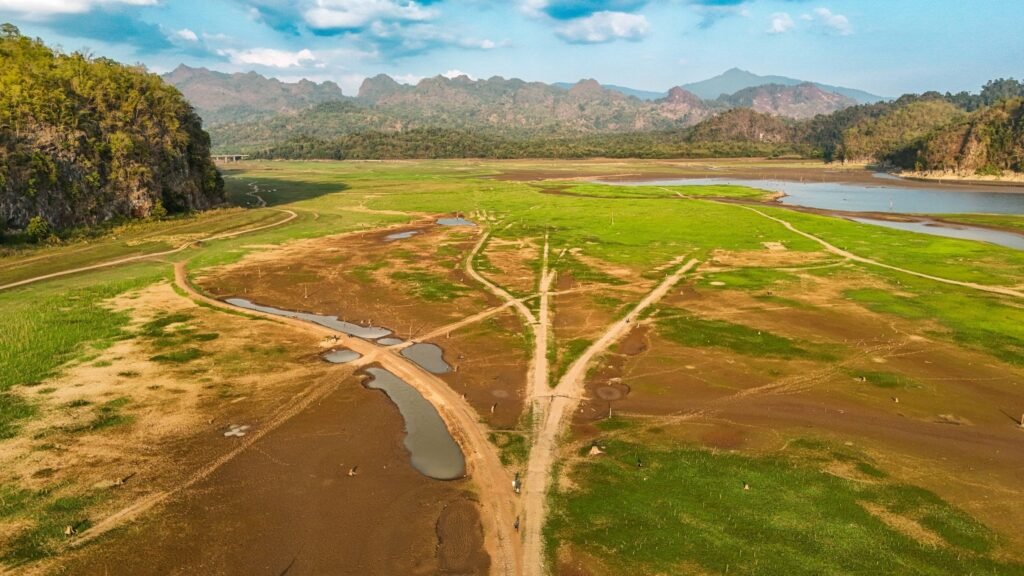
Nithe was reportedly one of the key stations used for: Water resupply for steam locomotives. Refuelling and maintenance. Organising train movements deeper into the jungle sections Supporting rail operations near the mountainous frontier zone. The station appears to have included: Track sidings A locomotive servicing area. An inspection pit for undercarriage maintenance. Turning facilities for engines Drone photographs show outlines of railway formations and concrete remains emerging from the mud.
The human story behind it like the rest of the Burma Railway. Nithe Station was connected to immense suffering. Tens of thousands of Asian forced labourers and over 12,000 Allied POWs died during construction and maintenance of the railway from: Cholera, Malaria, Starvation, Exhaustion, Brutal punishment.
Why the rediscovery is important, most surviving Burma Railway sites were dismantled, redeveloped, or reclaimed by jungle after the war. Nithe is unusual because the reservoir effectively “preserved” parts of the site underwater. Historians are excited because: Structural features remain visible The layout helps researchers understand railway operations It offers physical evidence beyond famous sites like Hellfire Pass It highlights lesser-known Asian labourer history, not just Allied POW stories.
Some reports describe the exposed inspection pit at Nithe as one of the few surviving examples still identifiable on the railway route.
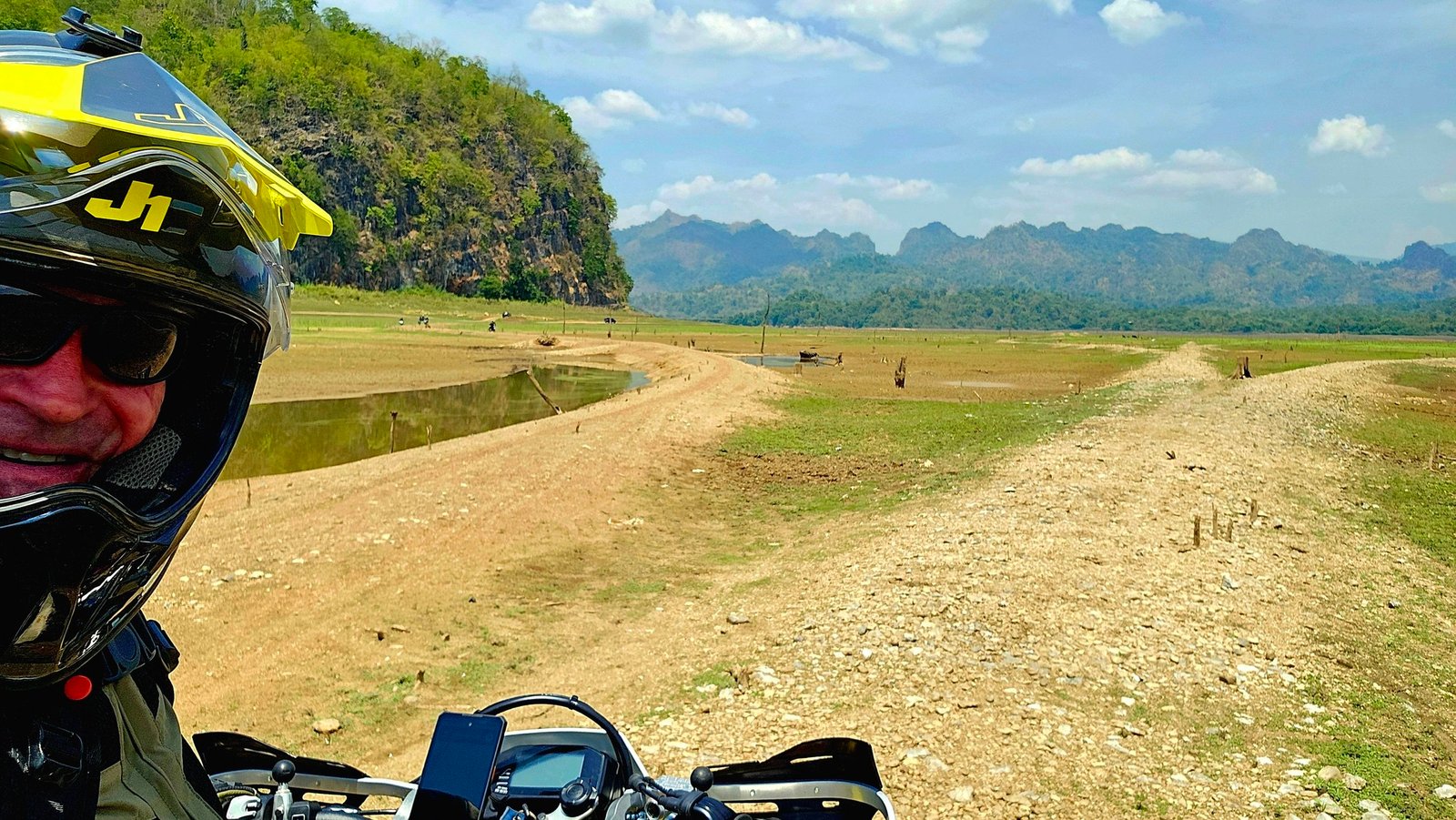
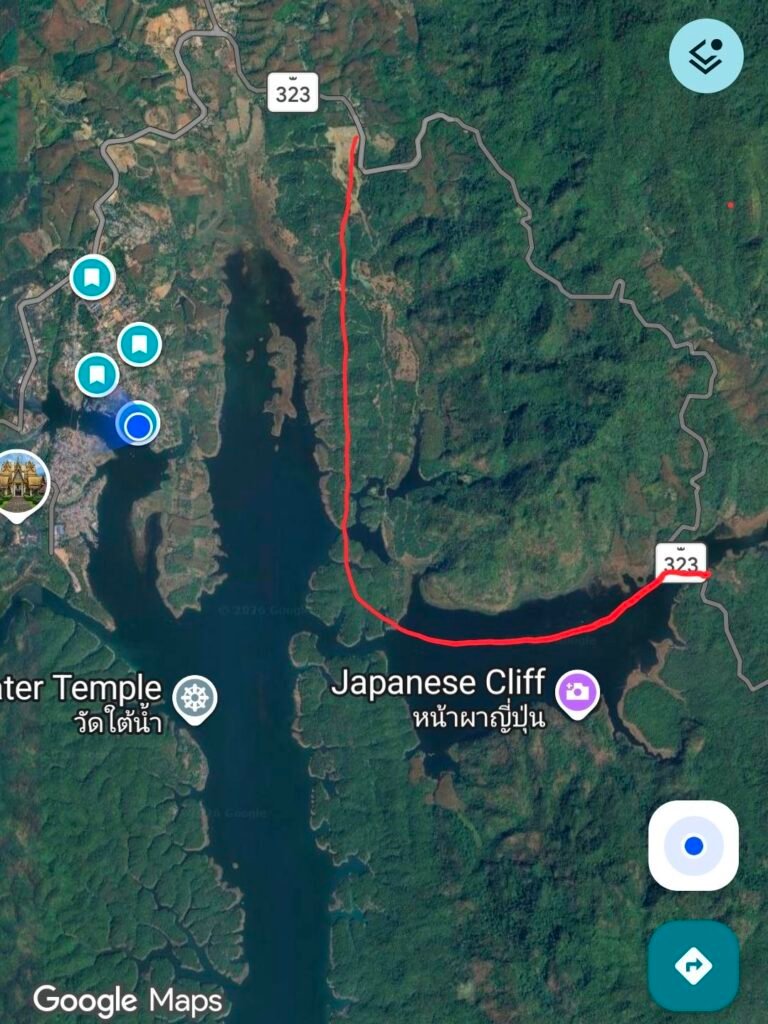
Part of the railway away from the Ranti Bridge heading towards Sangkhlaburi bypassing the mountain road.
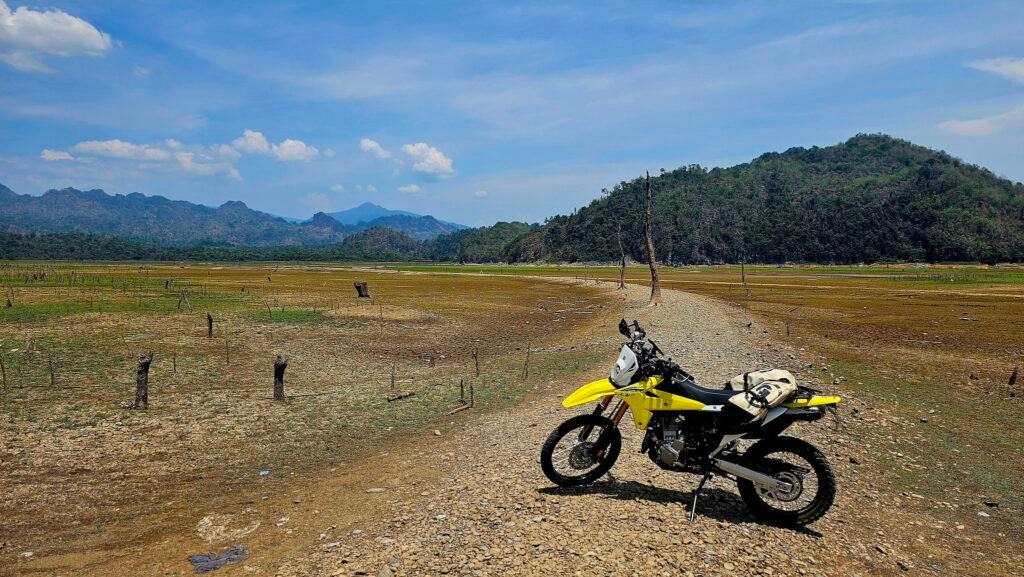
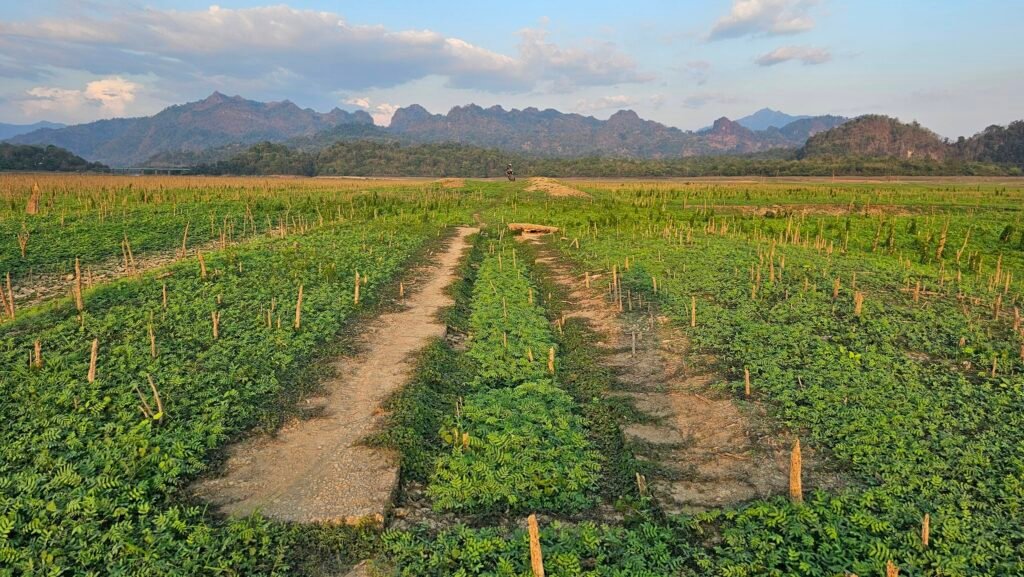
Nithe station was located around here. Ranti Bridge can be seen around the corner of the mountain to the left.
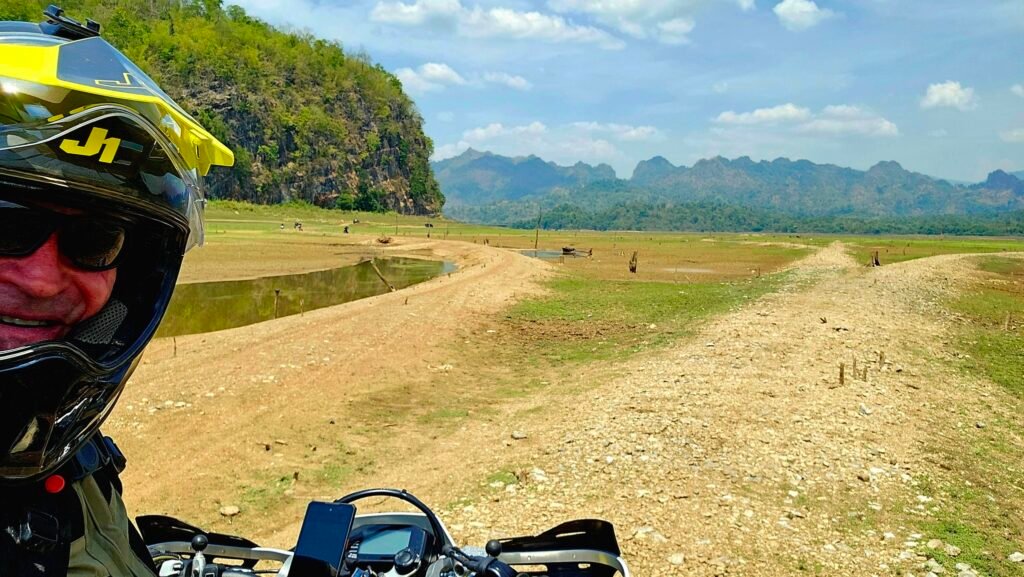
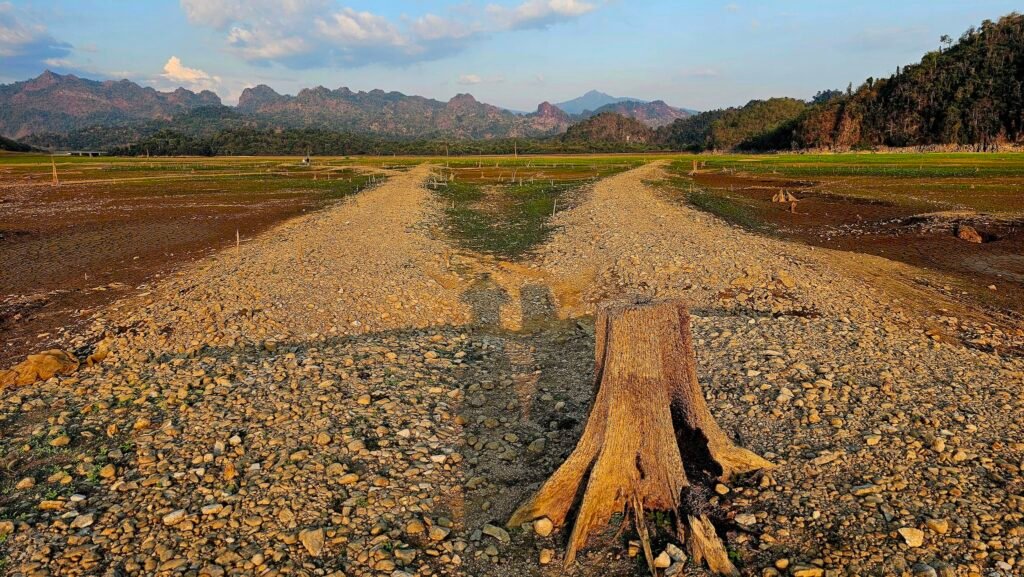
Standing where the train station would have been located.
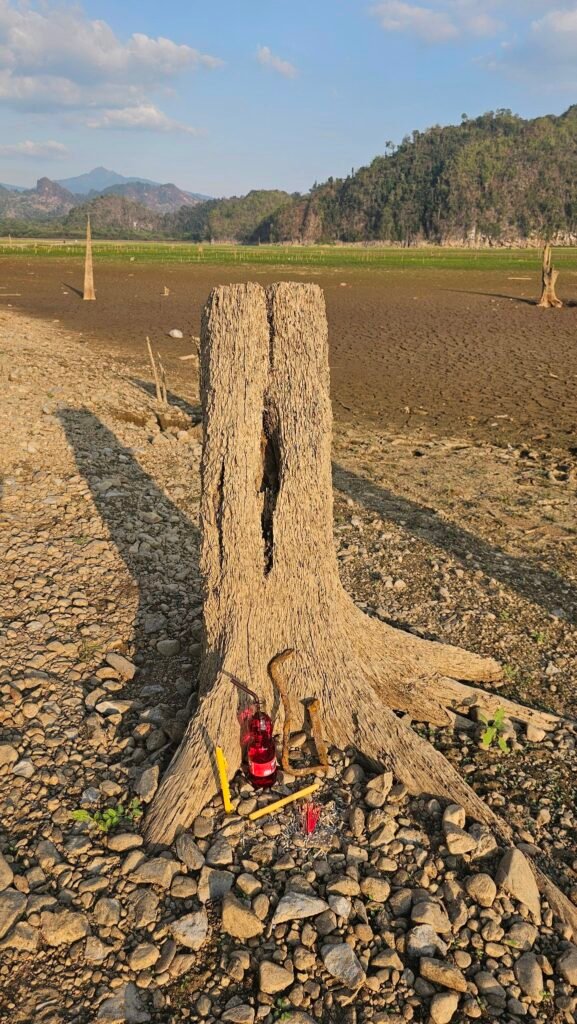
An offering to the spirits.
Nithe Station with the Ranti Bridge showing top left.
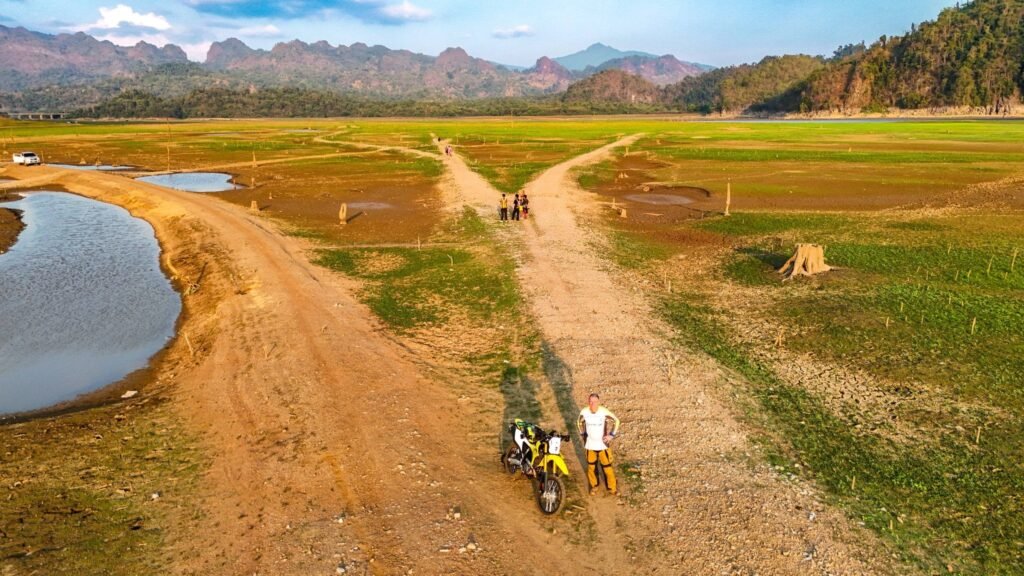
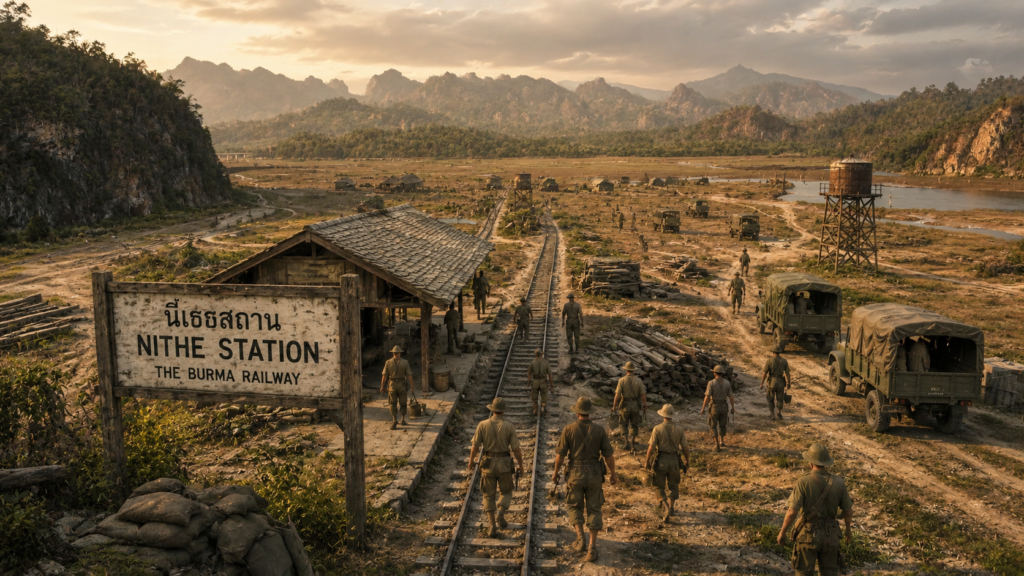
My drone picture with AI mocking up something that would represent the period at the station around 1943.
The maintenance area (See the YouTube video at the end of the report for a walk around)
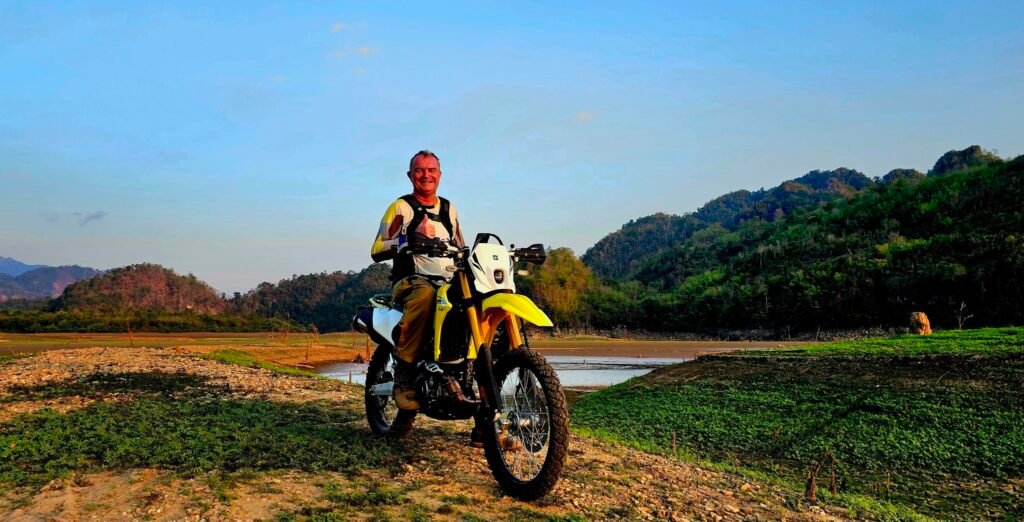
Met a local Police officer here with his friends.
He took some good pics with my phone.


YouTube
It was truly amazing to witness this piece of history, and I feel privileged to have been able to visit during this rare moment. Now, with the rainy season and storms arriving, the grass has grown and once again covered much of the area.